
Deodorization systems
Boost edible oil purity, stability and shelf life with Alfa Laval deodorization systems. Our deodorization processes remove unwanted odour, flavour, colour and impurities using less steam and lower temperatures than comparable systems. Whether refining palm, soybean, rapeseed or other oils, you get effective treatment, reduced glycidyl esters (GEs) and trans-fatty acids (TFA), and higher quality, safety and yield.
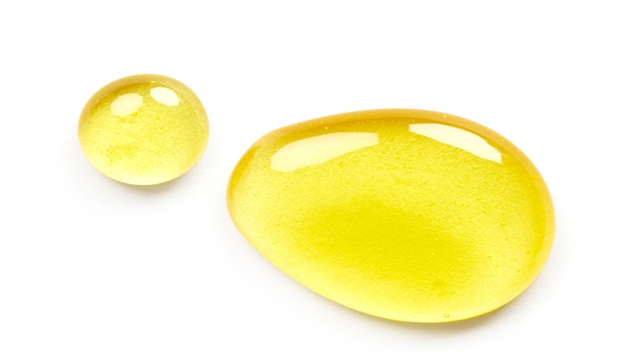
Efficient deodorization for higher quality, greater yield, and reduced product loss
- Versatile, reliable and easy-to-operate deodorization systems for edible oil refining
- Deodorization systems optimized to match your specific process requirements
- Maximum product quality and yield
- Minimum product loss and lower utility consumption
- Proven GE removal to below 0.5 ppm
Get the most out of your edible oil processing with Alfa Laval’s advanced deodorization systems. Whether refining seed oil, deacidifying tropical oils, or minimizing GEs and toxic trace elements, you can customize these modular deodorization systems to your exact processing needs.
Deodorization takes place at the lowest possible temperature and effectively removes GEs, polyaromatic hydrocarbons, pesticides and other volatiles. Patented thin-film technology ensures gentle, yet effective oil deodorization, while reducing energy use and processing temperatures. Smart controls and instrumentation make operation effortless while ensuring consistent, high-quality output.
Whether installing new lines or upgrading existing systems, Alfa Laval deodorization equipment is engineered for maximum efficiency, safety, and yield.
How the deodorization process works in edible oil refining
The deodorization process in oil refining is a steam stripping process at low pressure and high temperature under vacuum conditions. Steam gently passes through the oil, removing impurities that compromise flavour, odour, colour, and stability. This process enhances taste, extends shelf life, and ensures compliance with food standards.
Oxygen removal and pre-heating in deodorization systems
Before heating the oil, air must be removed under vacuum to prevent oxidation and protect product quality. The oil is then pre-heated in an economizer – a heat exchanger that recovers energy from the hot, treated oil discharged the deodorization column. A final heater uses high-pressure steam to bring the oil to the exact temperature, typically 220°-260°C, required for deodorization.
Thermal stripping and retention during deodorization of oil
The heated oil enters the deodorization column, which typically consists of a stripping section and a retention section. In the stripping section, steam and vacuum conditions remove volatile compounds like free fatty acids (FFAs) that have a higher vapour pressure than the oil itself. If present, these impurities affect edible oil flavour, odour, and stability.
The retention section holds the oil for a specified period for thermal treatment – known as heat bleaching – to remove undesirable pigments and enhance product stability. The length of time the oil is kept in the retention section depends upon the desired product specifications.
GE removal and post-stripping in deodorization machines
The oil passes through a post-stripping section under vacuum as a thin film, exposed to steam to remove residual volatiles, including compounds generated during thermal degradation. The treated oil is then cooled.
Keeping temperatures below 200°C limits the formation of glycidyl esters (GEs) and enables any GEs to be removed from cooled quench oil. A specially designed column filled with structured packing, or GE stripper, effectively removes GEs to levels below 0.5 ppm in size by promoting contact between steam and oil under vacuum conditions. However, to be effective, this method calls for immediate cooling after GE stripping.
Condensation of stripped impurities in the deodorization process
Stripped volatiles are condensed in a scrubber unit using recirculated and cooled distillate. The scrubber can be mounted either on top of the stripping section or built as a separate vessel. Volatiles can be condensed in stages (double scrubbing) or the condensates subjected to further purification (TocoBoost) to recover valuable micronutrients such as tocopherols and sterols.
Final cooling and polishing in the deodorization system
Finally, cooling the oil occurs in two stages: (1) in the economizer to reach the specified final temperature, and (2) during polish filtration before transfer to subsequent processes, storage or packaging.
Applications and product range
Alfa Laval deodorization systems are mainly used in the edible oil and animal fat industries, but can also be adapted for inedible purposes, such as biodiesel and hydrotreated vegetable oil (HVO) pre-treatment. For more information on special product lines from the range of Alfa Laval deodorization/deacidification solutions, see:

Asiakkaamme
Bunge Group
Bunge Group on maailmanlaajuinen maatalous- ja elintarvikealan toimija. Konsernin elintarvikedivisioona on Latinalaisen Amerikan suurin öljysiementen käsittelijä ja suurin pullotettujen öljyjen tukkumyyjä. Bunge on myös pyrkinyt vahvistamaan asemaansa investoinneilla kasviöljyjen jalostamoonsa, joka on Latinalaisen Amerikan suurin. Tämän Brasiliassa sijaitsevan jättimäisen tehtaan tuotantokapasiteetti on 1 200 tonnia päivässä.
Koko jalostusprosessi on Alfa Lavalin toteuttama. Se koostuu neutralointijaksosta, jossa on kaksi PX 110 -separaattoria, valkaisuprosessijaksosta ja kattavasta SoftColumn-hajunpoistoratkaisusta.
PT Grahadura Leidongprima
PT Grahadura Leidongprima is a family-owned business on the island of Sumatra in Indonesia. The company is very successful in the palm oil processing industry. To cement this position, the company ordered the first SoftColumn deodorization plant in Indonesia, accompanied by dry fractionation plants.
This Alfa Laval SoftColumn deodorization installation provides the company with a processing capacity of 1,000 tonnes of palm oil daily.
Imcopan soijaöljyn jalostamo
Imcopan soijaöljyn jalostamo Brasiliassa päätti päivittää laitoksensa käsittelyketjun, koska vanhan laitoksen höyrykulut olivat erittäin suuret ja lämmön talteenotto erittäin puutteellinen.
Imcopa hyödynsi Alfa Lavalin jälkiasennuskonseptia ja päivitti olemassa olevan hajunpoistolaitteiston ja asensi uuden neutralointi- ja valkaisulinjaston sekä uudet levylämmönvaihtimet, sekoittimet ja PX 95 -separaattorin. Näillä toimilla yritys sai nostettua laitoksen jalostuskapasiteetin 400 tonnista 600 tonniin päivässä. Jälkiasennusstrategia yhdistettynä Alfa Lavalin lämmönsiirtoteknologioiden käyttöönotto auttoi Imcopaa leikkaamaan tuotantokustannuksia yli kolme dollaria (USD) öljytonnia kohti, joten investointi maksoi itsensä takaisin vajaassa kahdessa vuodessa.
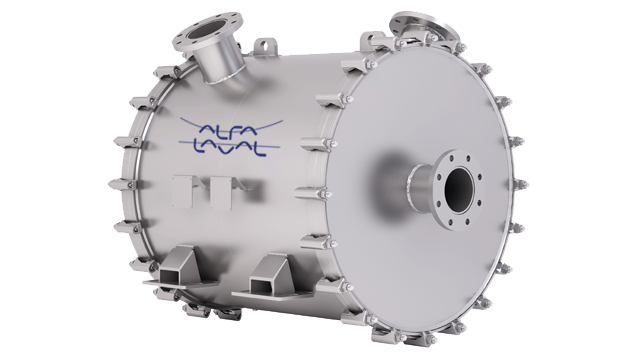
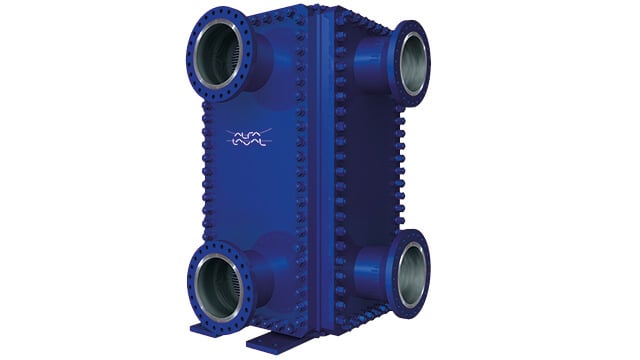
Tärkeimmät järjestelmissämme käytetyt ruokaöljyn käsittelylaitteet

Elevate the performance of your edible oil refining systems
Resource-smart production is essential as edible oils play a critical role in global food security. Optimize your processes over the entire lifecycle of your edible oil systems with the Alfa Laval service portfolio.
Leverage our full range our services - from system design, precision engineering, and effortless installation to commissioning, cost-effective operation, routine maintenance, and system upgrades.
With tailored service agreements, you can reduce waste, safeguard product quality, simplify operations, and maximize your return. Focus on the growth of your business while our global network and local providers take care of the rest.
Webinaari ruokaöljyteollisuudelle
Asiantuntijamme jakavat tietotaitoaan ruokaöljyn jalostusprosessien optimoinnista sekä tuotelaatua, turvallisuutta ja saantoa parantavasta epäpuhtauksien ja haihtuvien komponenttien poistamisesta.